The Present
Hi, I’m Siddharth—a computer science graduate based in India. At university I worked on type theory and proof assistants (mainly Agda and Lean), using them to formalize and verify mathematical structures. Since graduating, I’ve been focused on building a physically based renderer, Indus as I love computer graphics. Alongside Indus, I've spent a bulk of my time learning type-theory, abstract algebra, mathematical logic, classical mechanics, and a bunch of other things. I also write and record music and currently I'm working on my first album. I’m looking for early-career roles in computer graphics, research, or formal verification anywhere in the world.
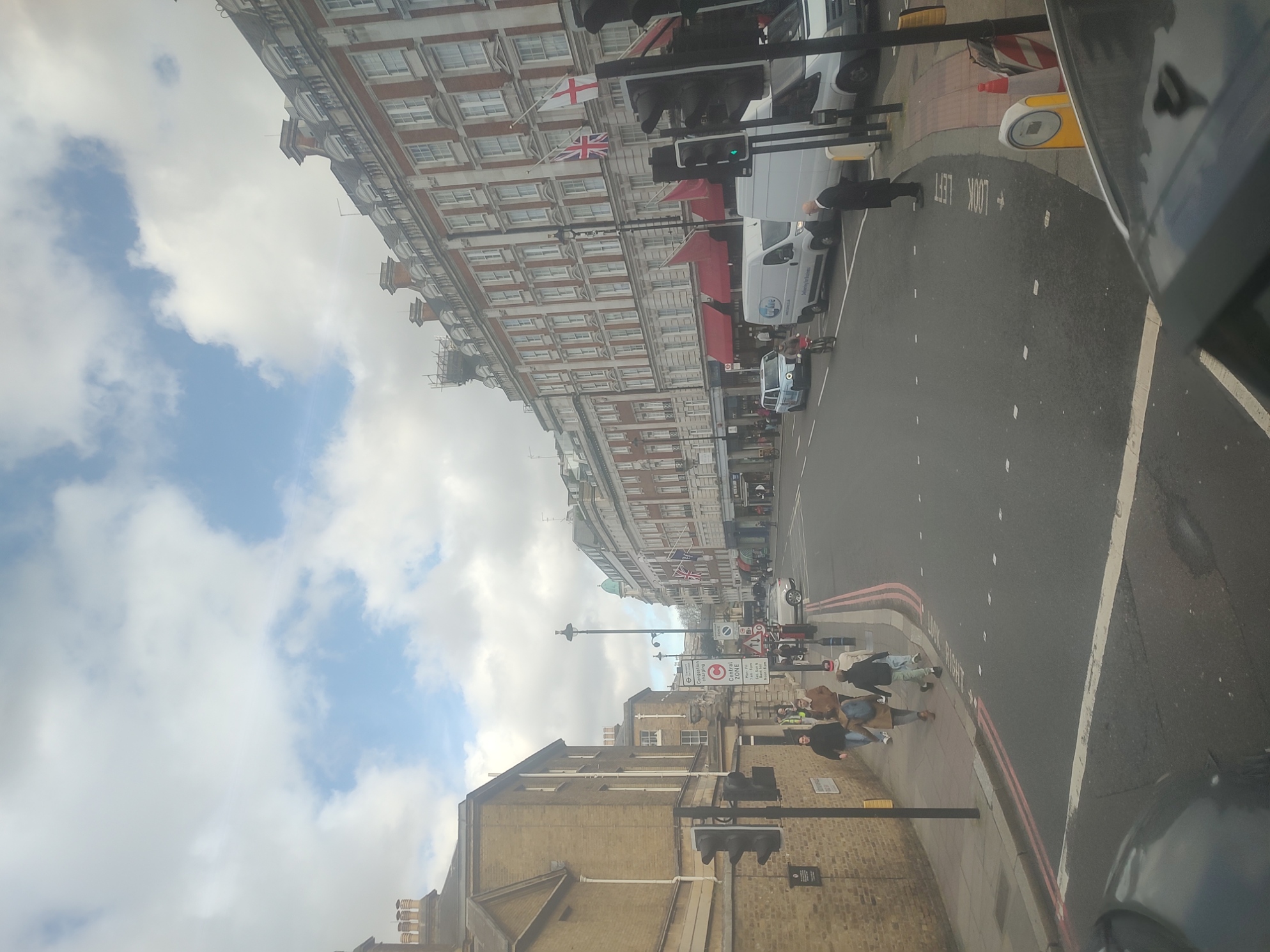
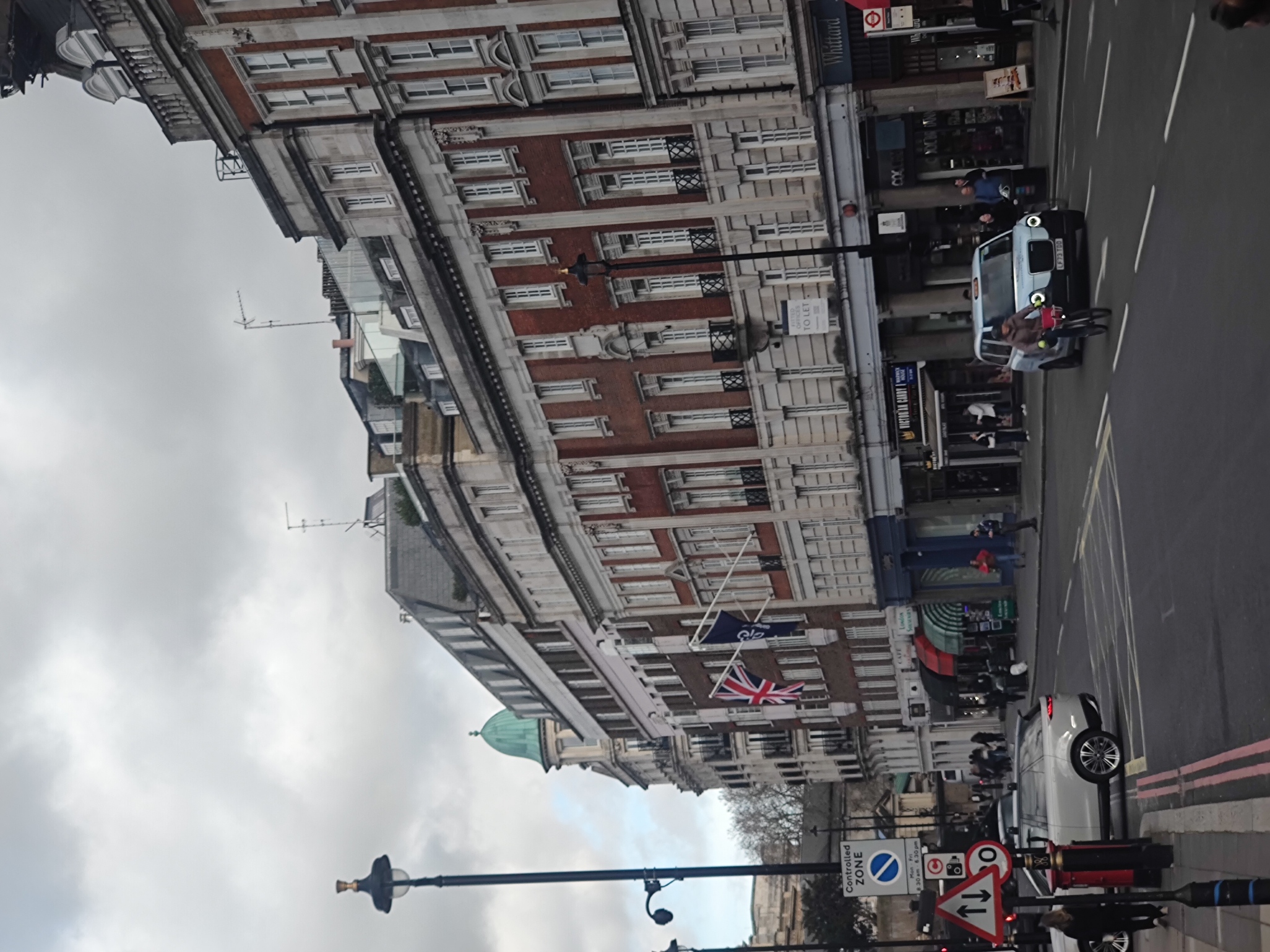
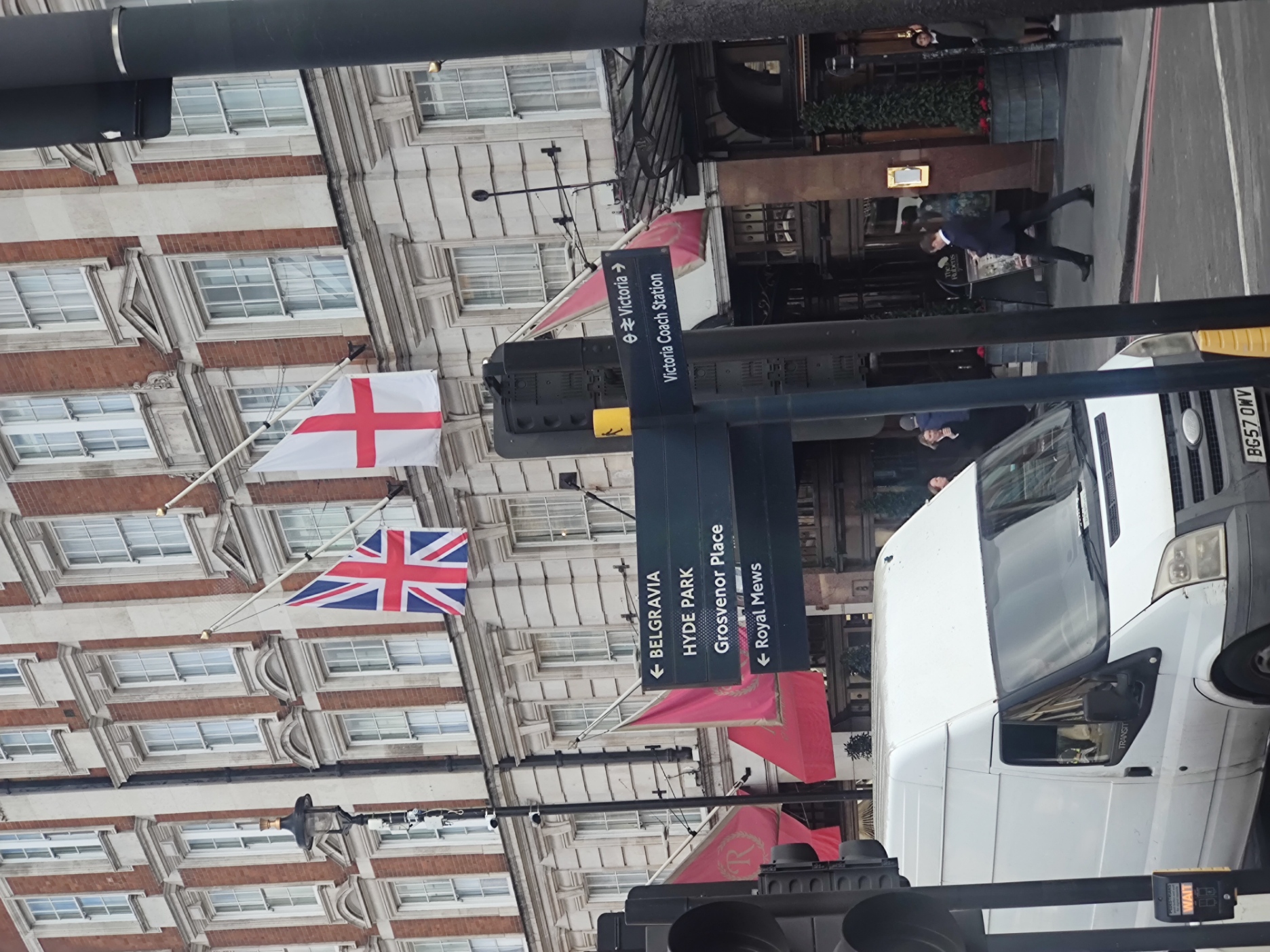
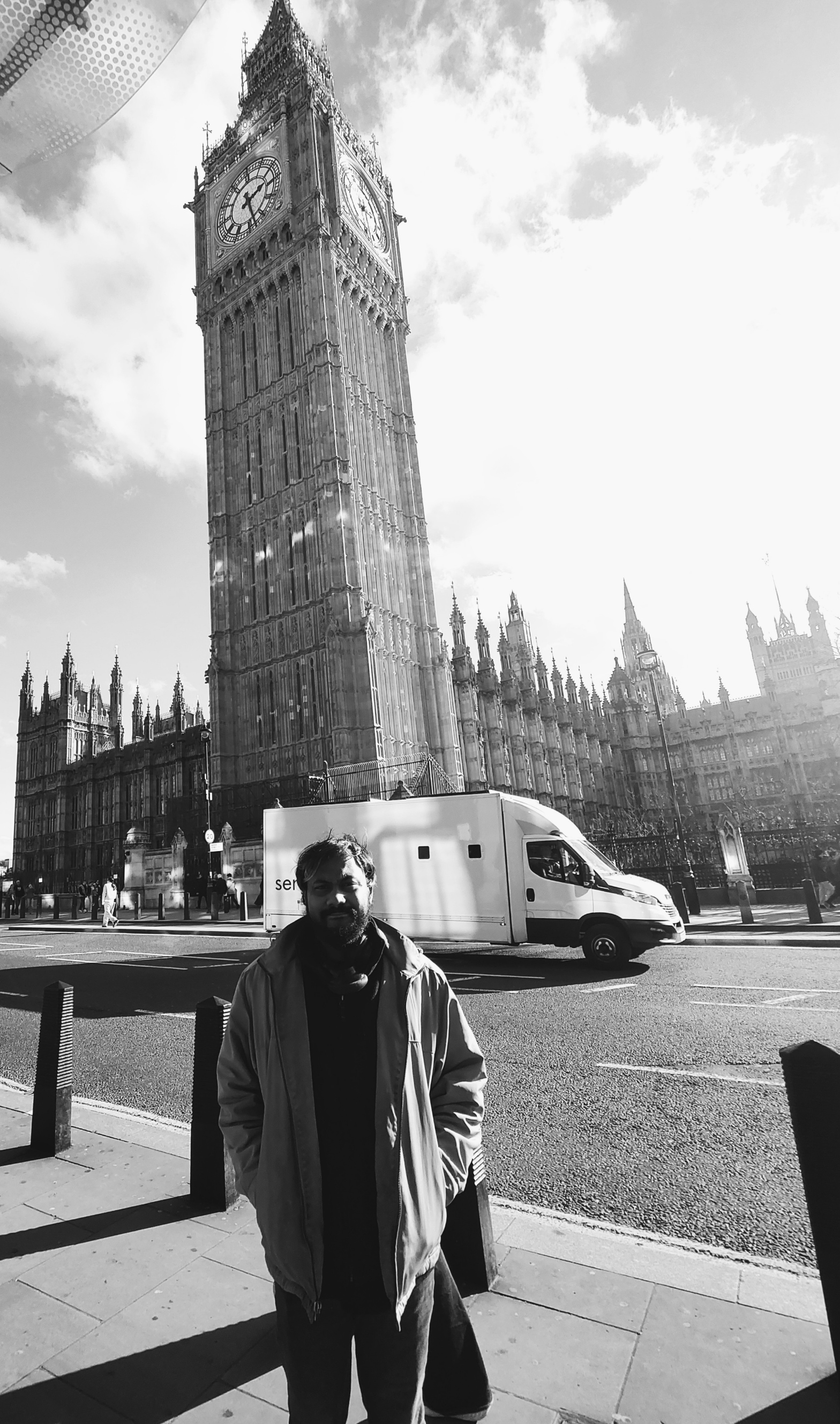
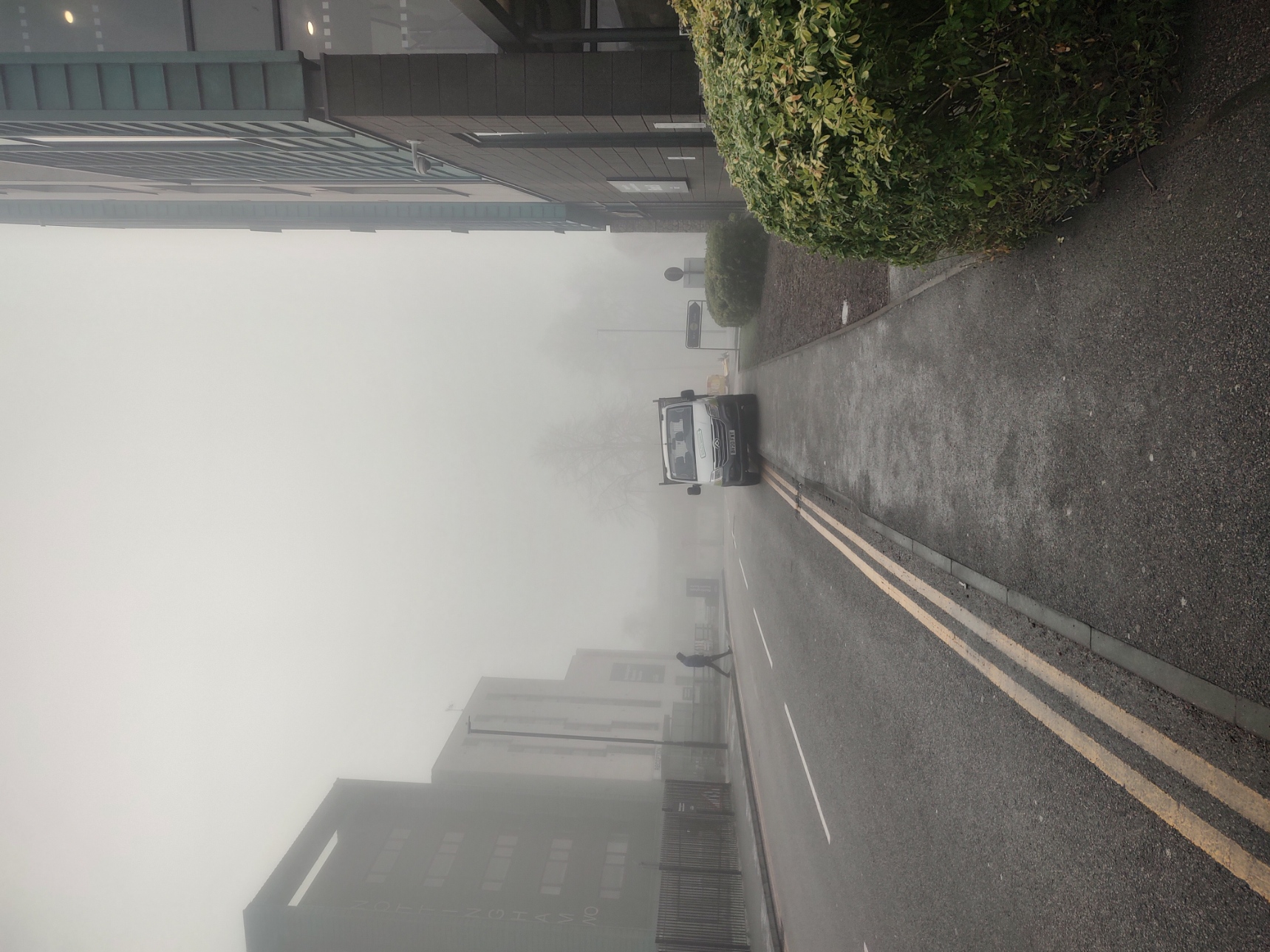
I returned to my family home in Ahmedabad in early March 2026. I had hoped to provide an update sooner, but these past few months have been fairly tumultuous, with several pending appointments. My time in the UK was as stressful as it was eventful. I visited London, Birmingham, Nottingham, Sheffield, Derby, and several other places, and was fortunate enough to make friends with a bunch of cool folks. I was also privileged to get my hands on some amazing synthesizers, books, and art supplies. I’ll list some of my experiences and observations from my time there:
- Studying at the University of Nottingham opened my eyes to how terribly positioned I had been beforehand. The chance to learn from amazing professors and meet fellow students nearly a decade younger than me who could kick my ass in their sleep was both eye-opening and inspiring.
- I had the opportunity to study some amazing modules. One was Programs, Proofs and Types—a module I had never heard of before walking into the first lecture—and, boy, did I end up loving it. So much so that my thesis was based on it. In retrospect, doing a master’s thesis on a topic I had never encountered before was probably a stupid decision, but I got cosmically lucky and it paid off.
- I was pleasantly surprised to learn that Einstein had visited the University of Nottingham campus in the 1930s, and I got the chance to see his blackboard in the Physics Building. It was utterly inspiring. My one big regret is not having visited Westminster Abbey, where Newton, Darwin, and many others rest. :)
- I’m grateful to the following people for the unimaginable generosity with which they helped me whenever I struggled, lacked confidence, or otherwise felt hopeless: Soumyajit, Aniket, Shruti, Jonathan, Janet, Vitaly, Martina, Reda, Kamal, Kiran, Sandy, Rohail, Steve, Waqar, Aradhya, Jay, and Roxy. I’m deeply indebted to Prof. Altenkirch, Prof. Colin, and my good Aussie friend Daniel for their invaluable time and assistance on the academic front.
- The biggest cultural surprise was the social contract that people adhered to. The roads were, for the most part, completely clean and free of litter. Quite literally, every driver would stop and let me cross first. I had also expected to face some blatant racism or similar prejudice, but, surprisingly, I can’t recall a single major instance. Classism was also, for the most part, non-existent—something that gave me, and perhaps Indians more generally, a lot to reflect on.
- All in all, I’d rate my time in the UK a solid 6 out of 10. It was quite surreal; at times, it felt as if I were in a Harry Potter film. I achieved my primary objective—obtaining a world-class education and gaining immense exposure across myriad fields—but I do carry some heavy regrets. Those are for another time, if at all. Hopefully, I’ll get to visit again, although I cannot lie: it feels good to be back in India, even though many around me loathed the idea of my returning.
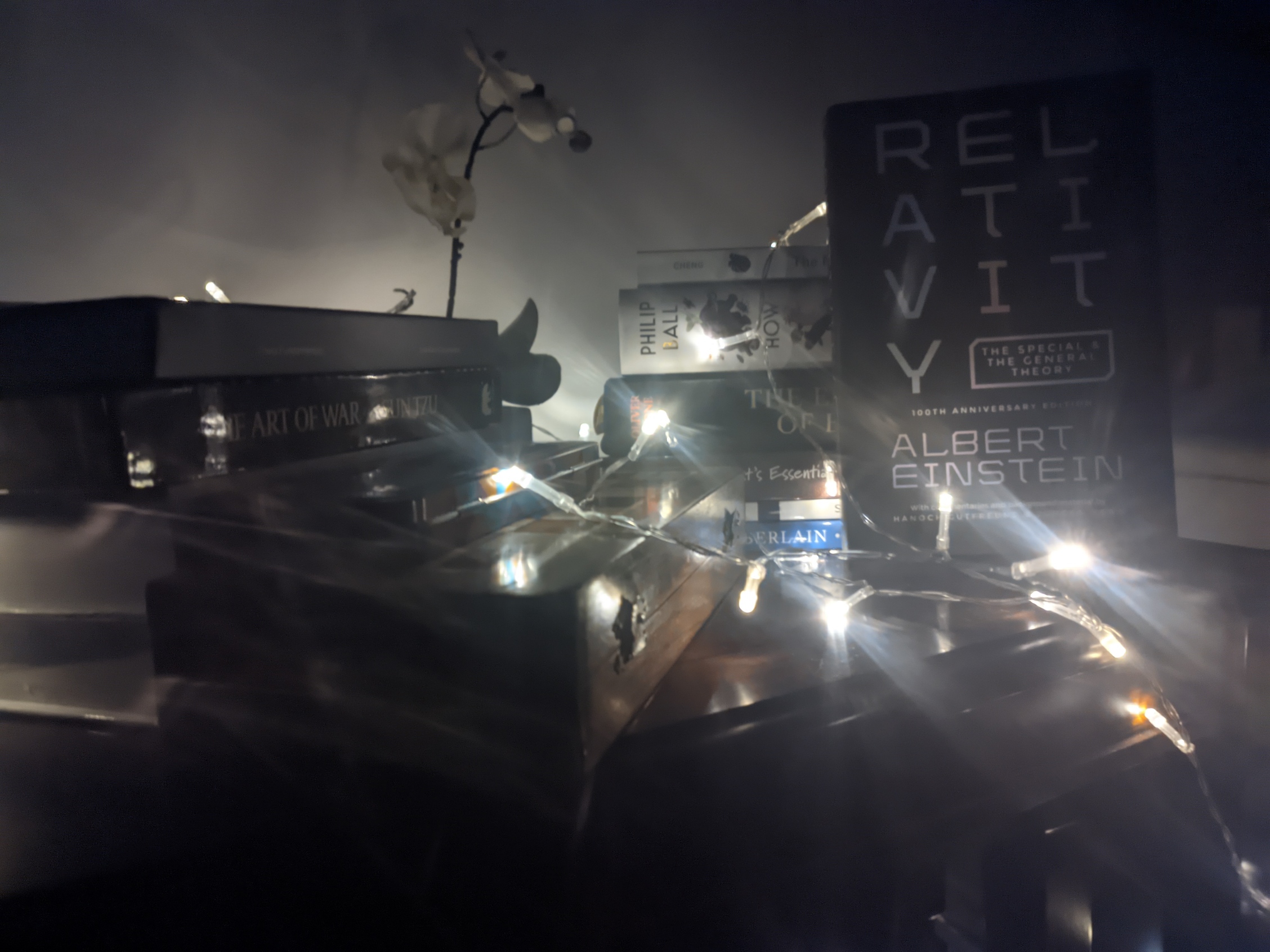
Here’s a gallery:
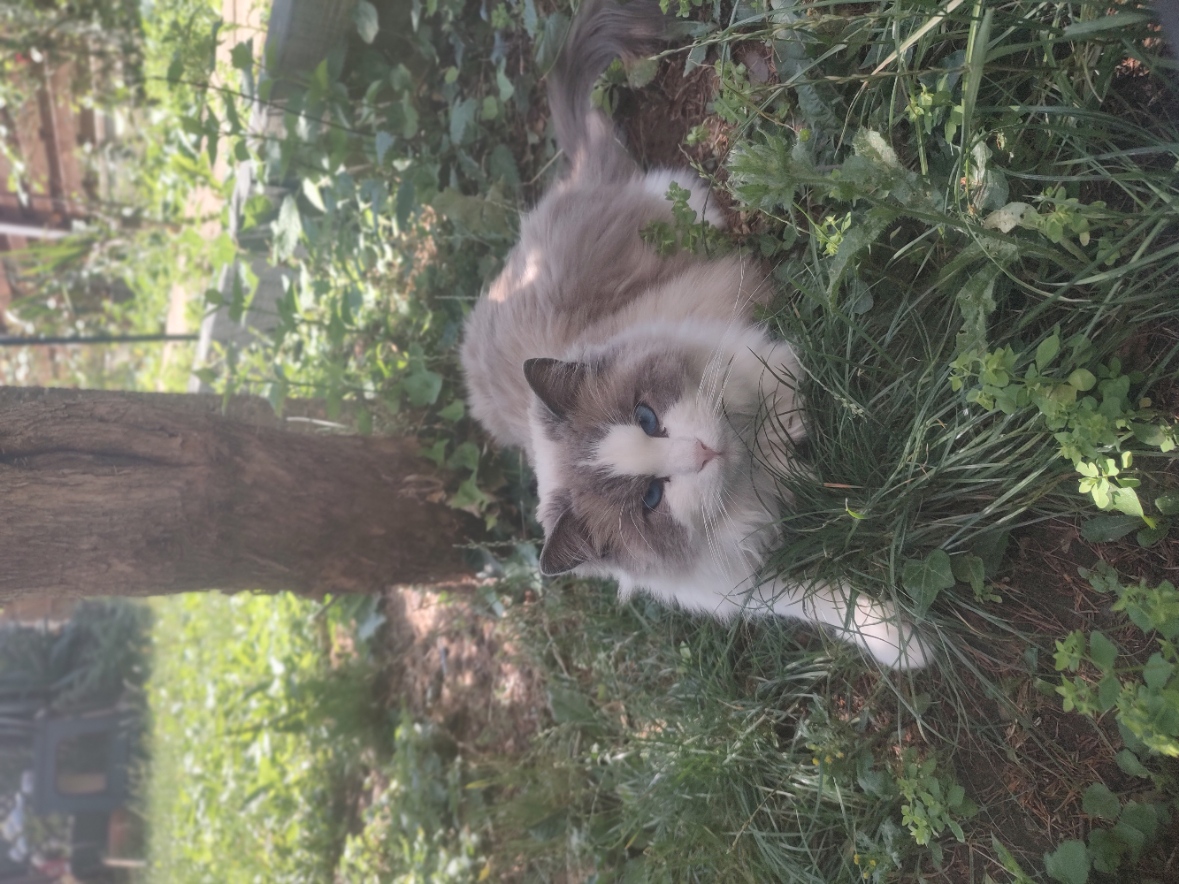
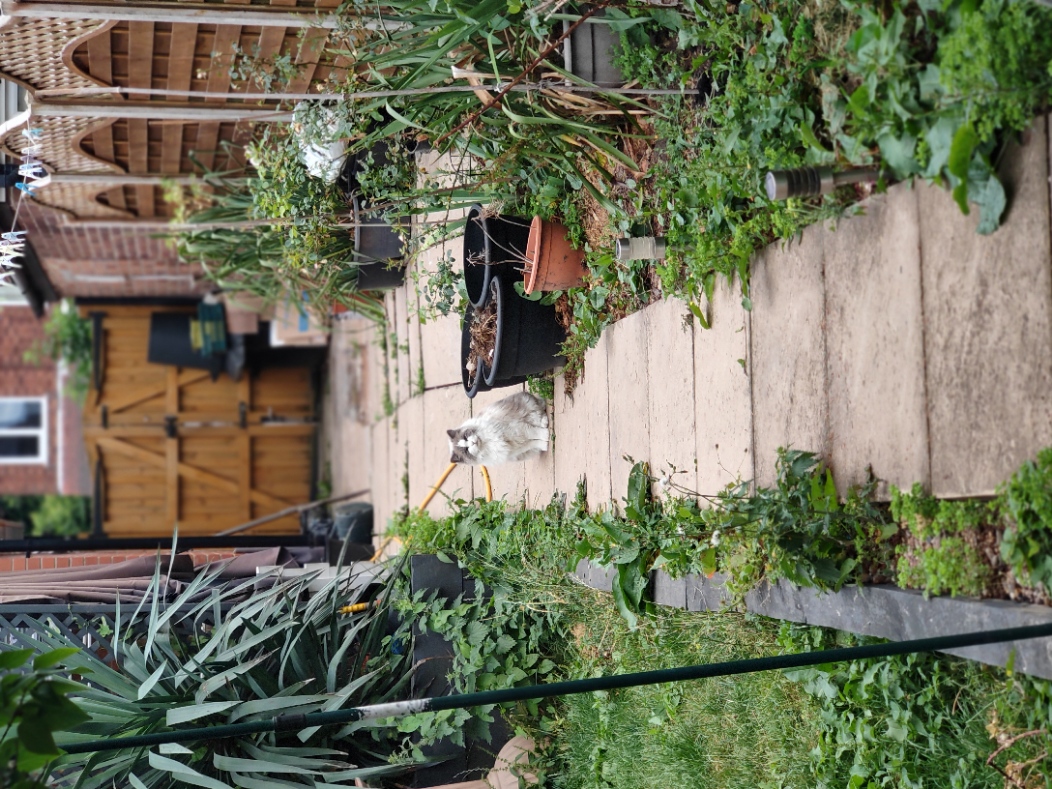
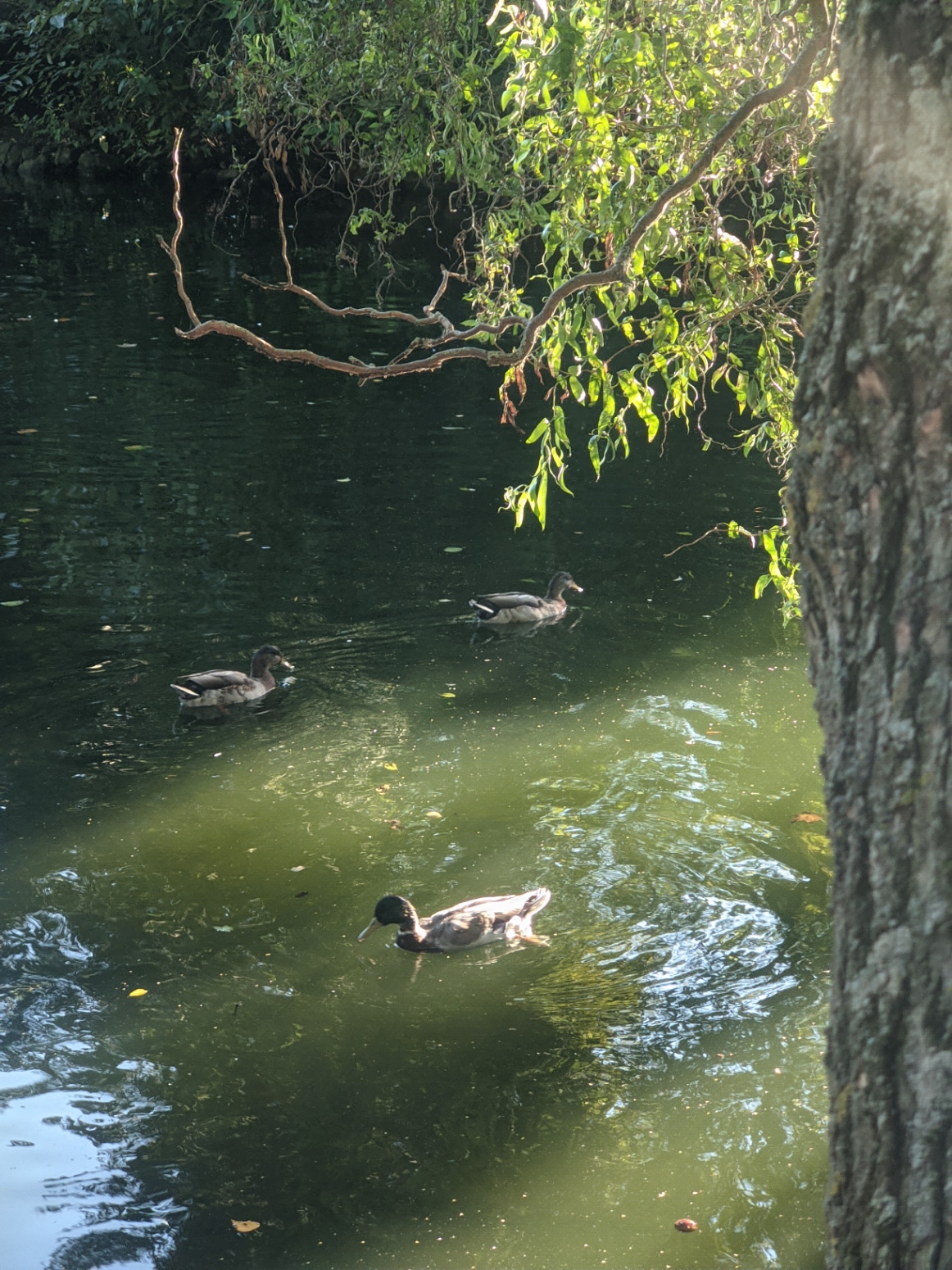
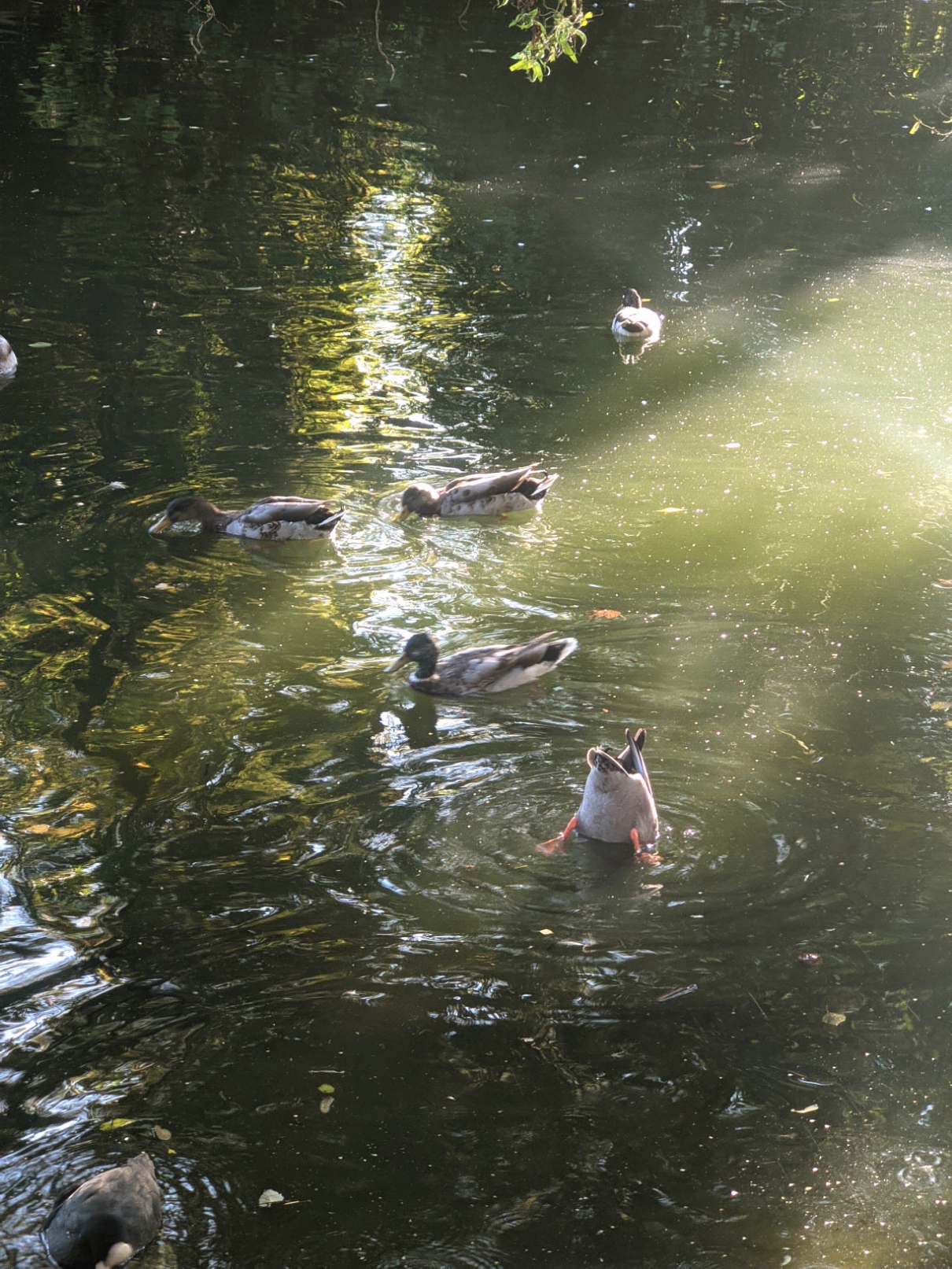
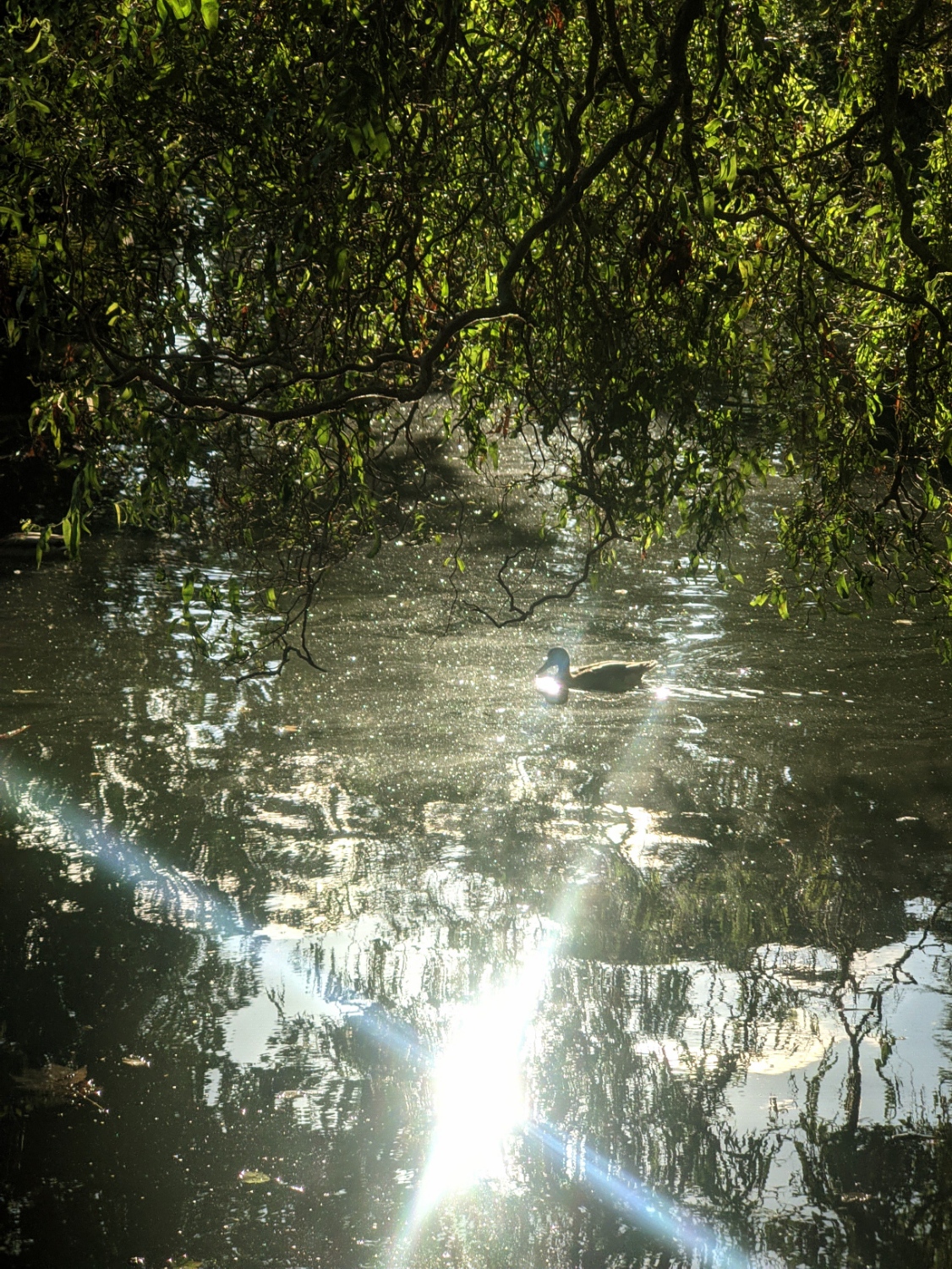
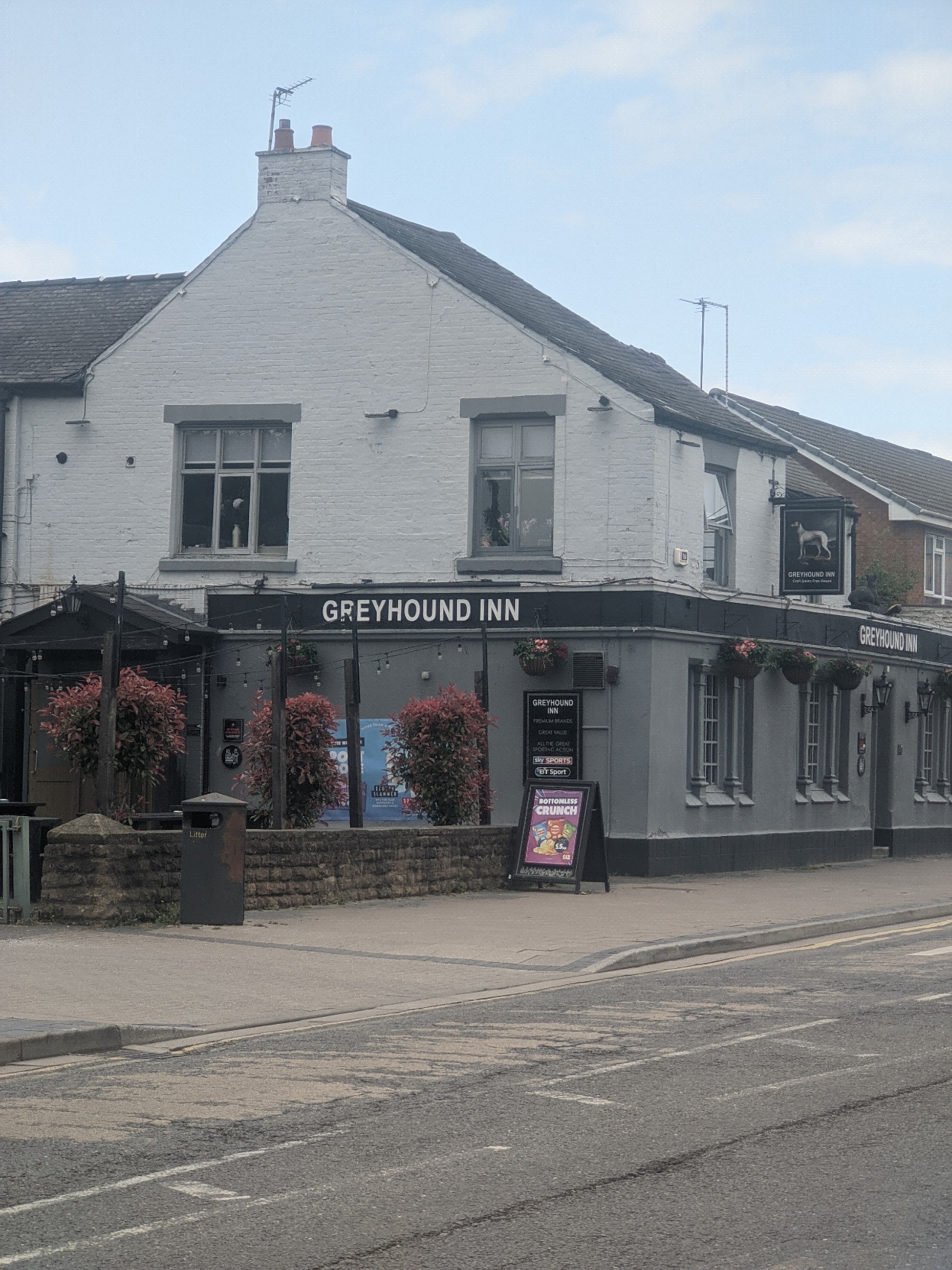
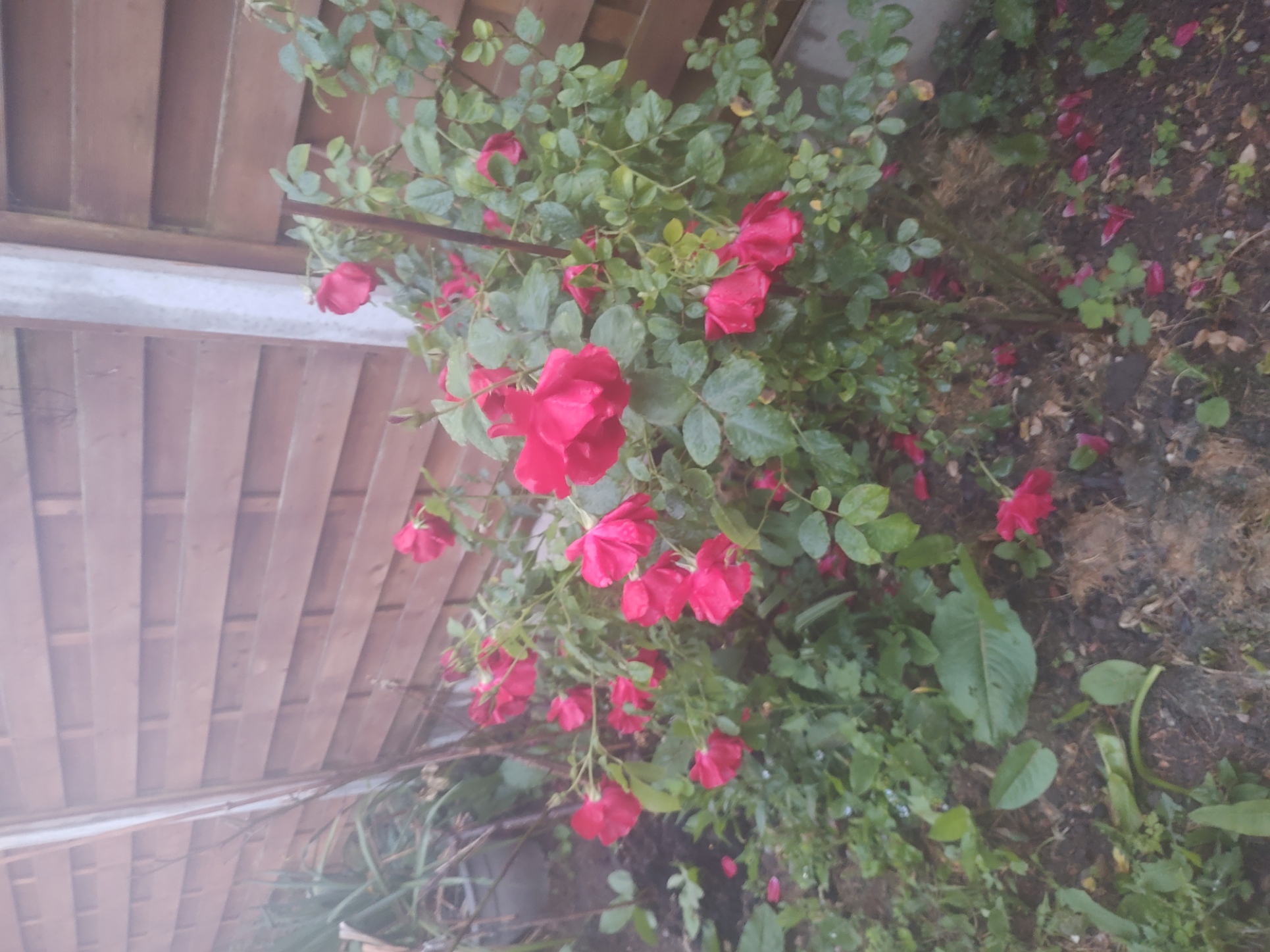
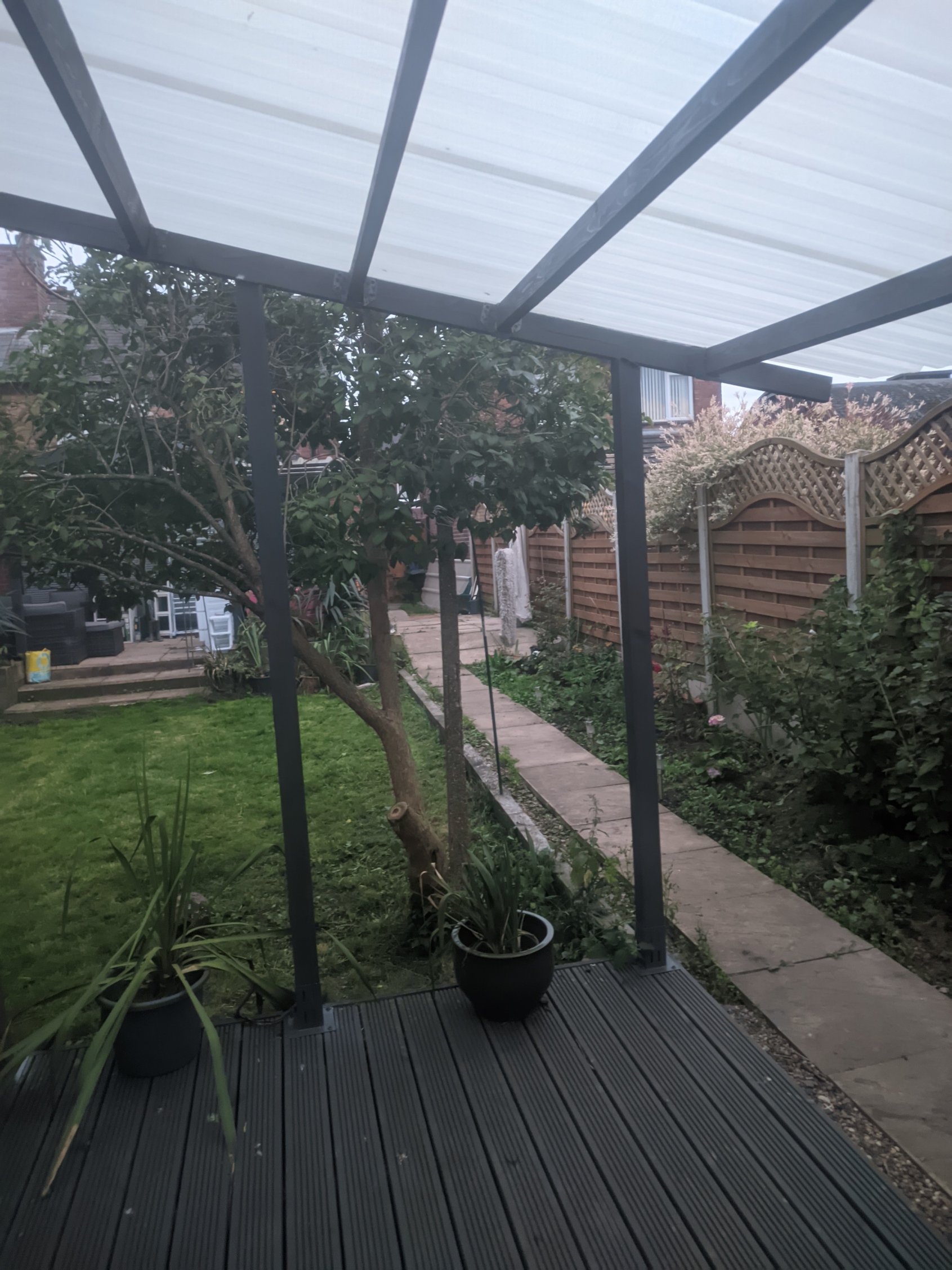
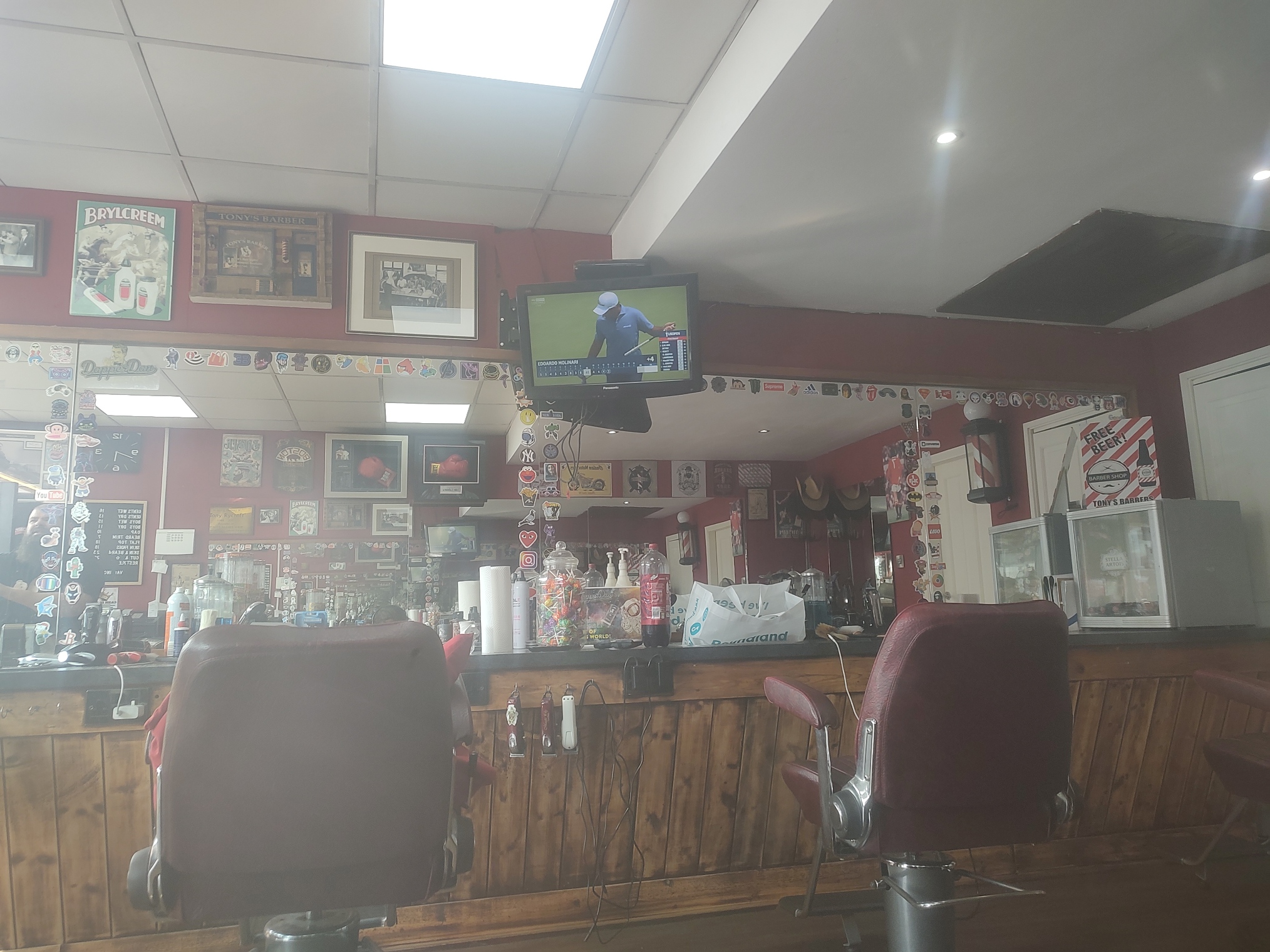
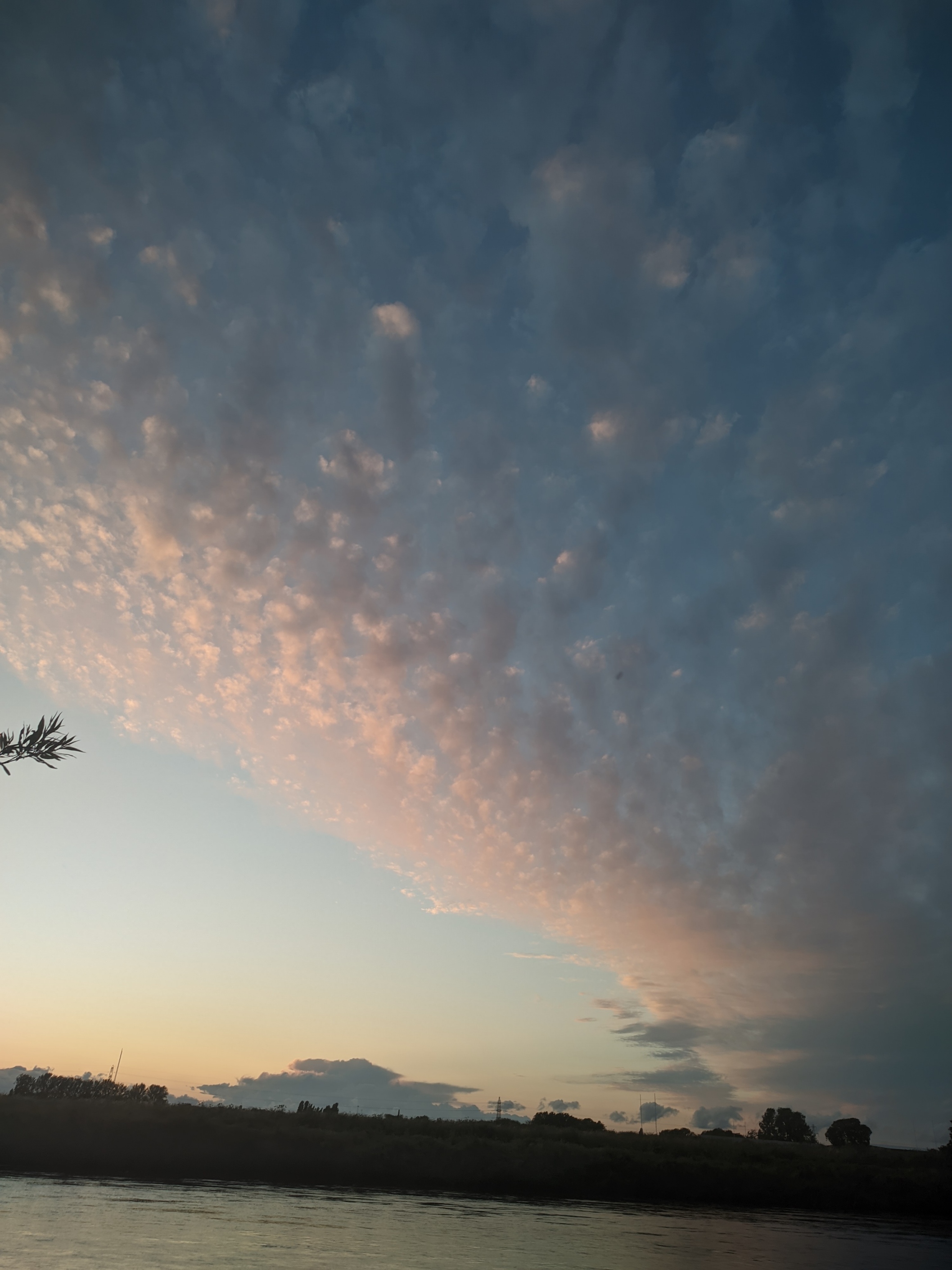
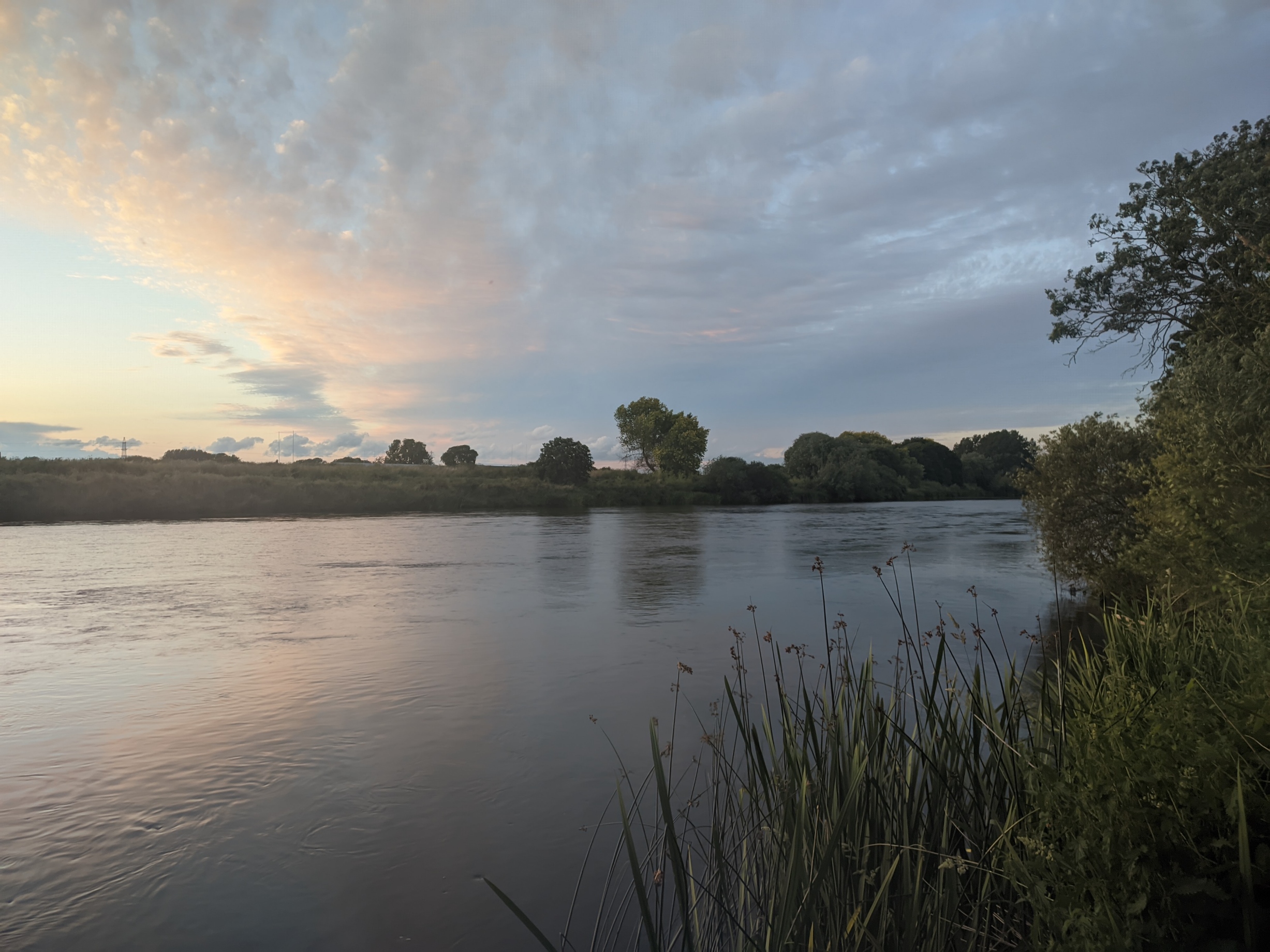
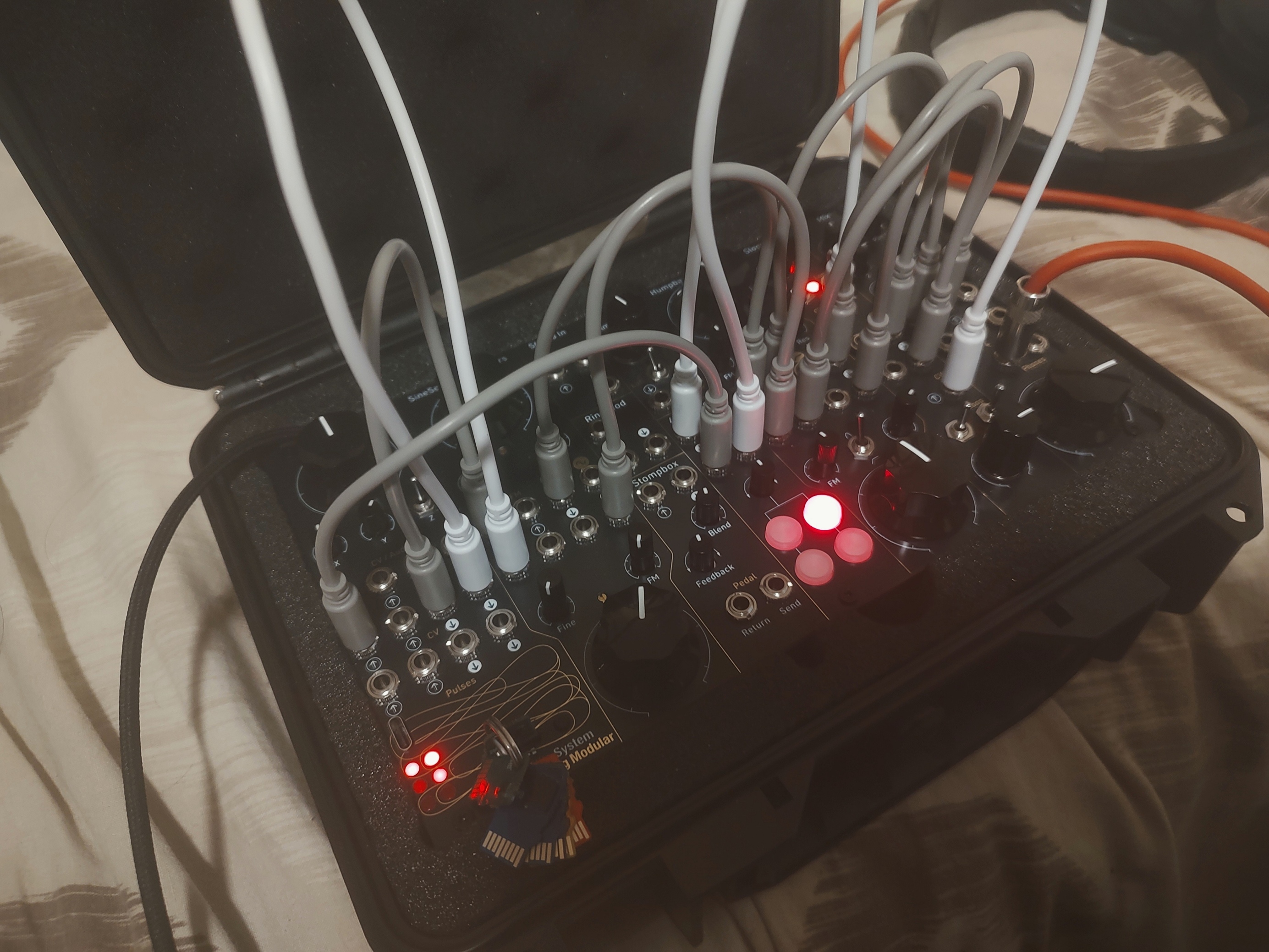
Now that I’m back home, I aim to do the following, among other things:
- Share my experience with the Workshop System Modular, an amazing synth I was privileged to get my hands on. I even got a rack made to house all my synths. I’ll share more on this soon-ish.
- Write up some pending articles, reviews, and the like. The main ones centre on my existing series on mathematical induction, along with one—or perhaps more—on special relativity.
- Learn and catch up on so, so many things—it’s an endless affair.
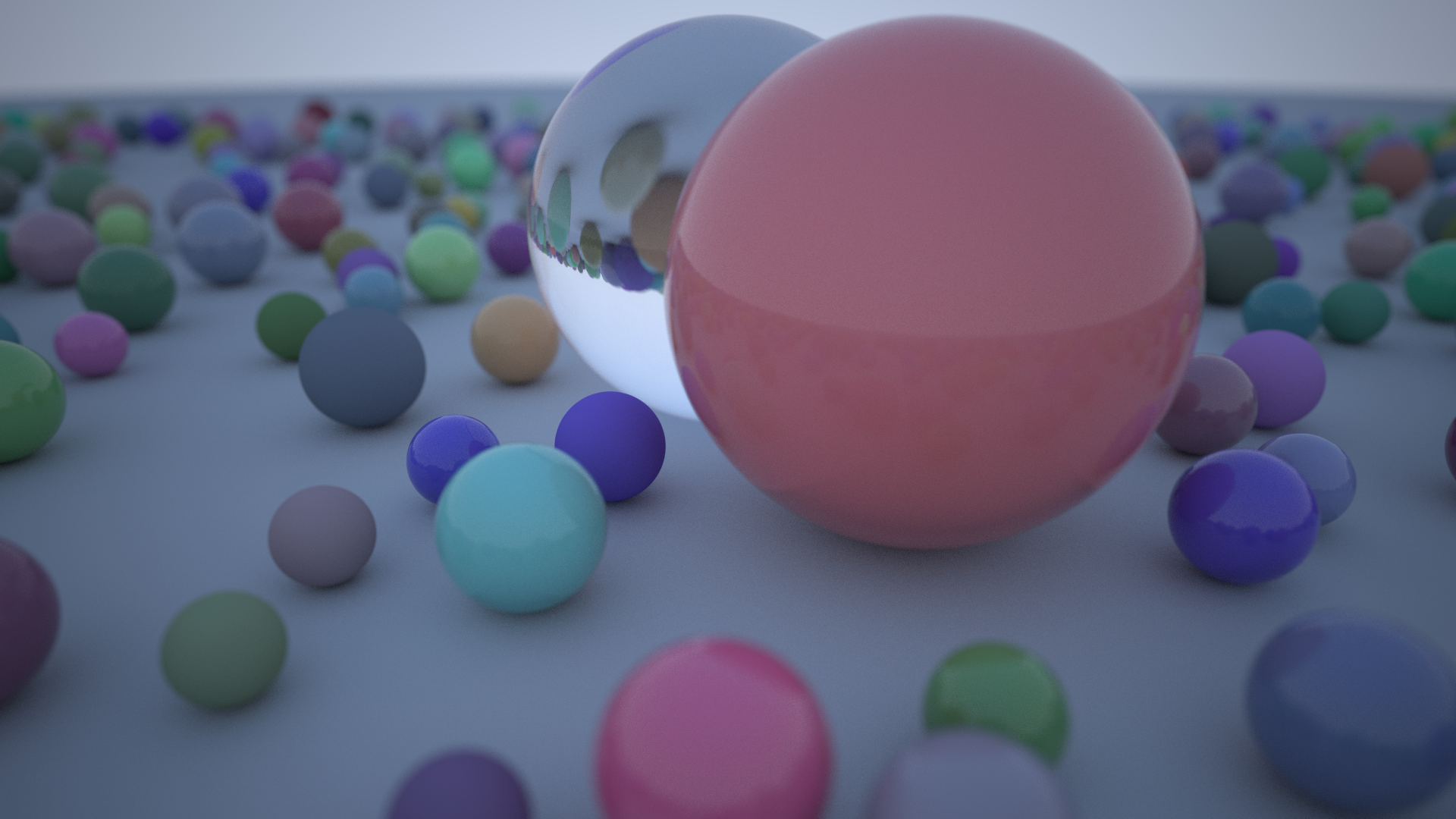
- Recover from my graphics burnout and work more on my renderer. I spent nearly half a year learning and figuring things out. PBRT is immense, and it feels as though I haven’t even scratched the surface. Still, developing my own renderer from scratch feels far more gratifying than learning by modifying an existing, full-fledged one.
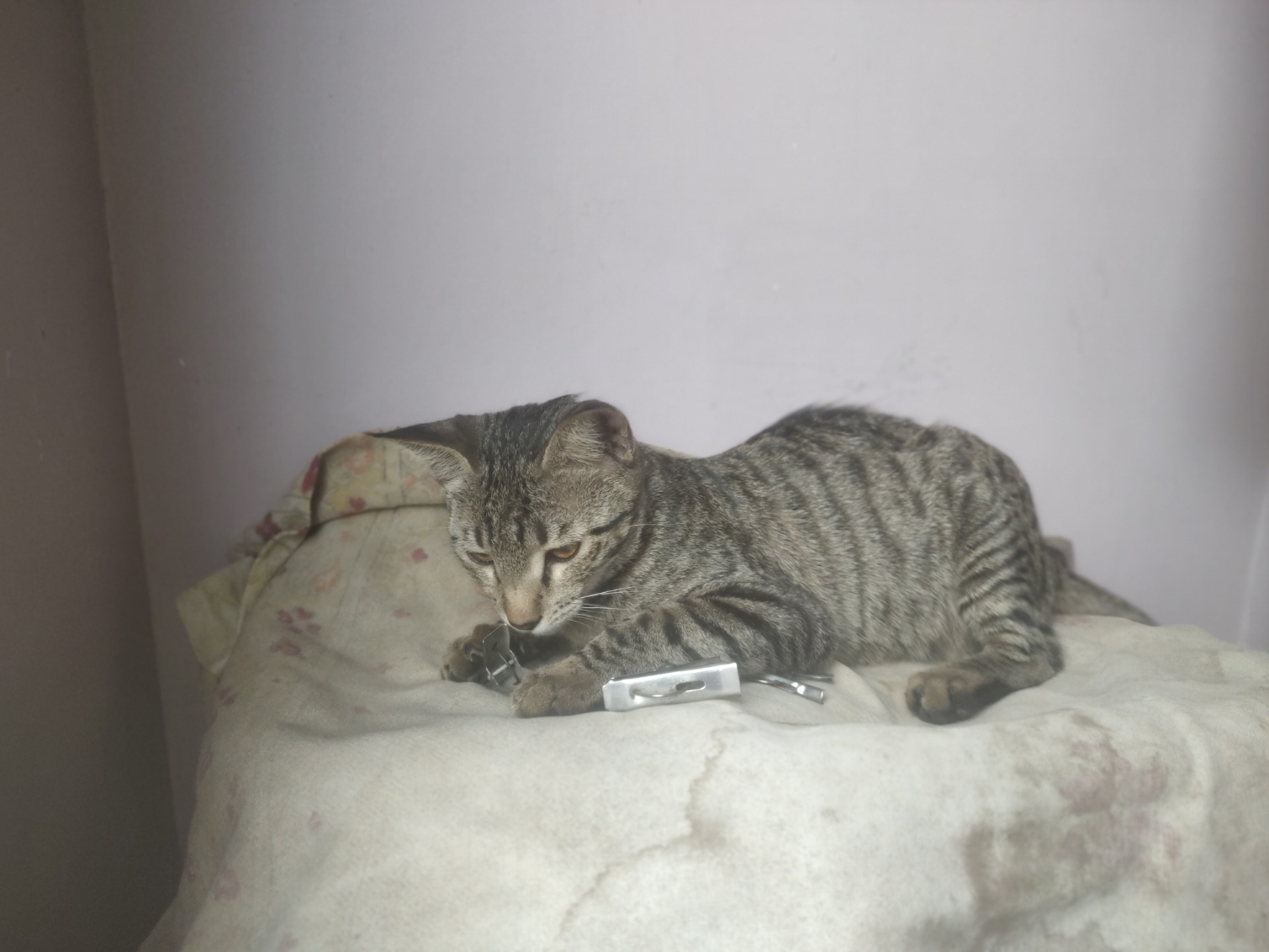
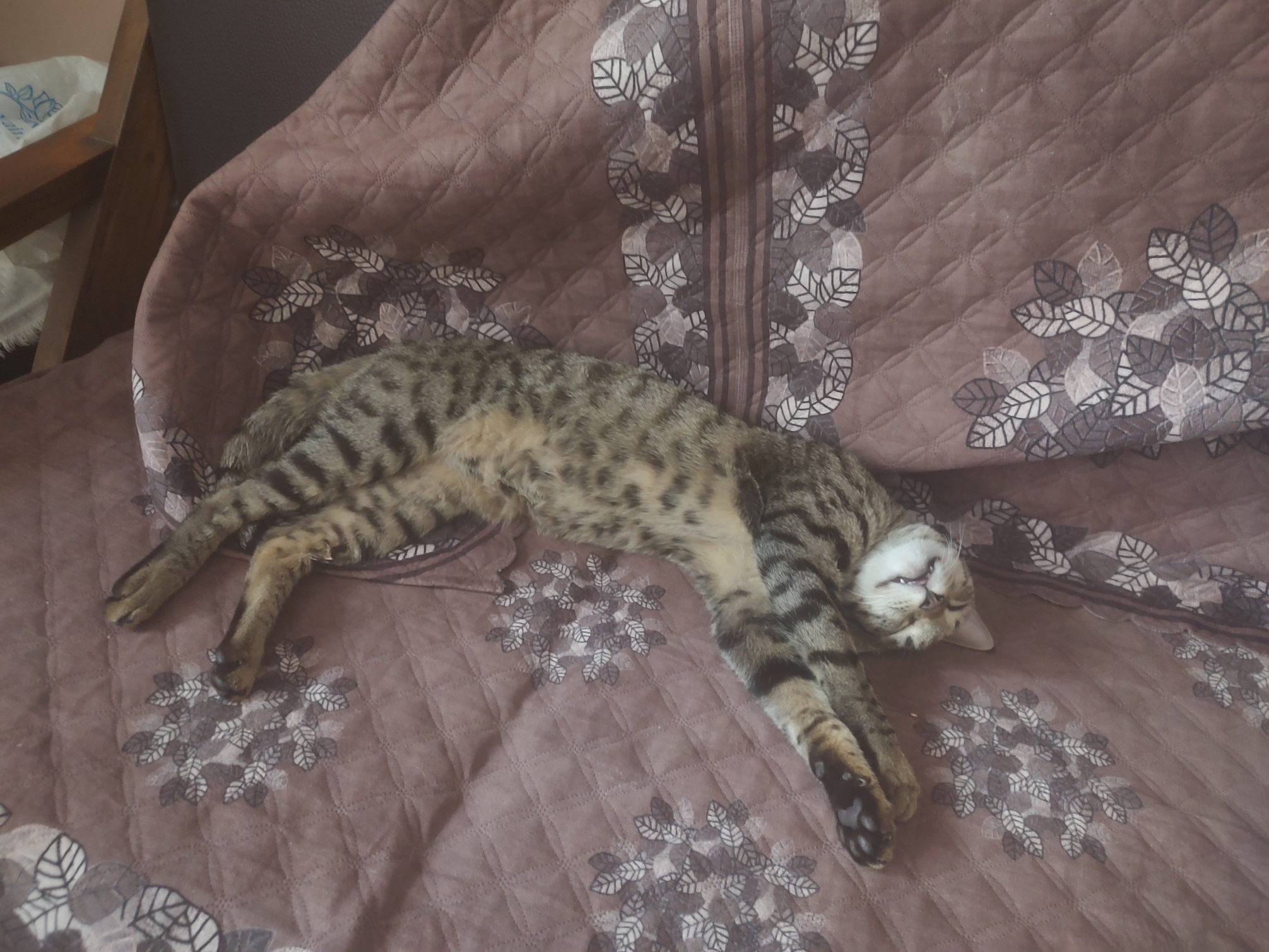
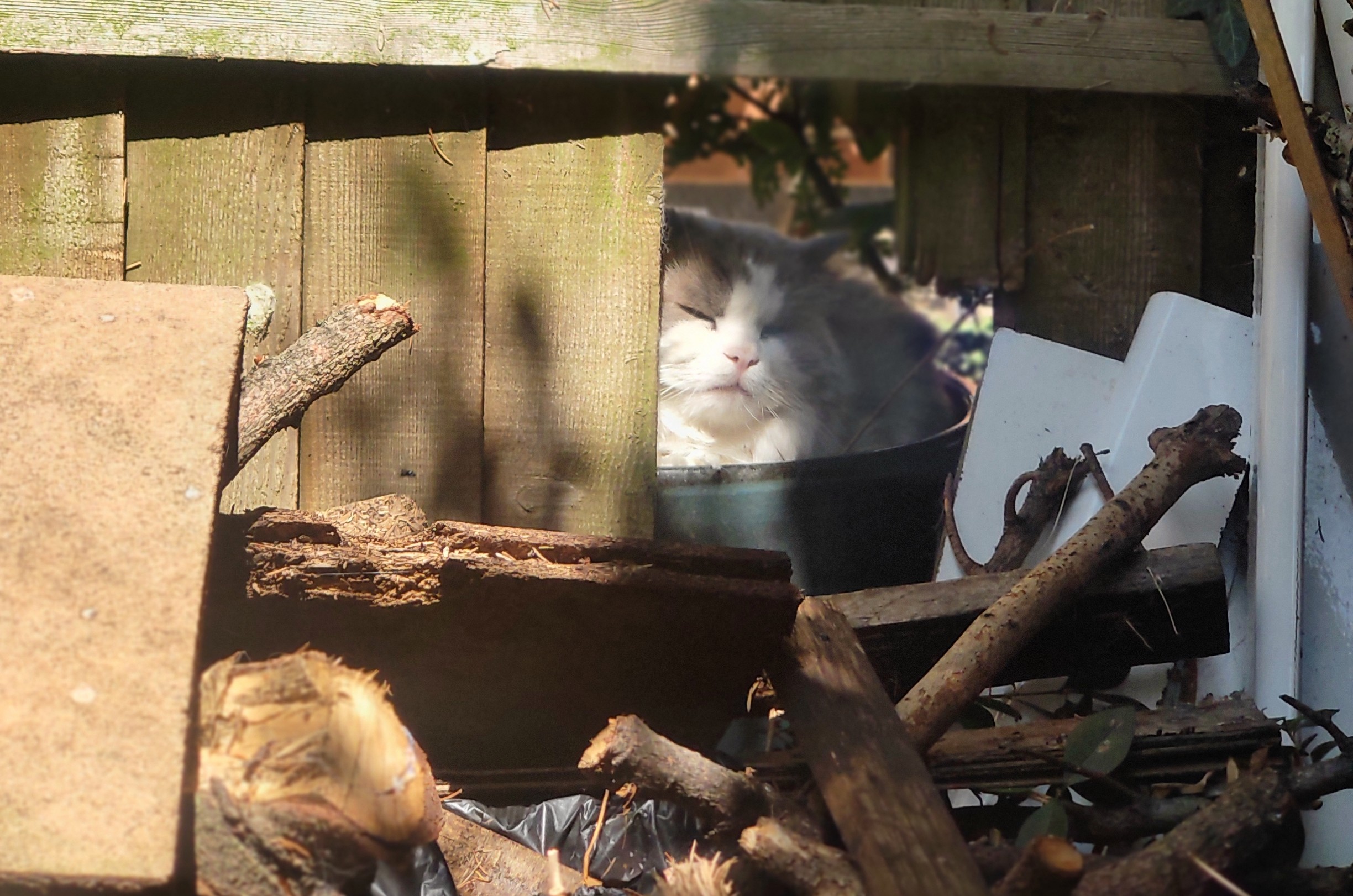
- Read, paint, compose music, and play with my cats much more.
- Work on improving my physical and mental health.
- Most importantly, give back to the best of my ability and, if time and energy permit, volunteer regularly in any meaningful capacity.
If you’ve made it this far, thanks for reading! As usual, I’m always available at hi@siddharths.space or, for anything more serious, at work@siddharths.space. 😊
P.S. I wrote most of this before learning that I’d need ear surgery soon. I’ll write a separate update once things are clearer and I’ve had some time to process it properly.
Some features I recently implemented in my engine:
RNG: moved Indus from
std::mt19937(Mersenne Twister) to PCG32. This was my first serious dive into PRNG theory. I’ll write about it soon.Pixel filters: Box and Gaussian.
A simple analytic coated diffuse material. It will eventually be replaced with a more rigorous version when I implement the VolPath integrator, but still fine for a first pass.
Here’s how these features look in action:
On the music front, it’s a complete slow-burn. Since my audio production skills are latent at best, it’s best to focus on sound design, composition, and learn the hardware I have inside out so I can materialize these ideas to some degree and only then look towards production.
The three synths I’ve absolutely loved learning/working with recently:
- Korg Volca Modular: A semi-modular west-coast synth. The sound design possibilities are immense and practically endless for such a tiny box.
- Korg Volca Drum: A digital perc synth best suited towards experimental sounds. It is idiosyncratic in it’s duality of simultaneously being open-ended and restrained.
- Roland S-1: A compact flexible microsynth inspired by the SH-101 covering all subtractive synthesis duties.
If you’re just finding your way around my site, you might want to head over to the stream. You may also contact me via hi@siddharths.space.